Tag: writing workflow

  • How to Maintain a Consistent Blogging Schedule (Even When You’re Busy)

    How to Maintain a Consistent Blogging Schedule (Even When You’re Busy)

    How to Maintain a Consistent Blogging Schedule (Even When You're Busy)

    A busy person happily juggling a laptop, a coffee mug, and a planner, symbolizing effective time management for consistent blogging.
    A busy person happily juggling a laptop, a coffee mug, and a planner, symbolizing effective time management for consistent blogging.

    Photo by Vitaly Gariev on Unsplash

    Starting a blog is filled with excitement, but keeping it alive amid a hectic personal and professional life is another story entirely. Many creators find themselves trapped in a cycle of sporadic posting—publishing three articles in a single week only to disappear for the next two months. Building a successful online presence requires a consistent blogging schedule that fits into your actual lifestyle, rather than an idealized, daily publishing routine that leads straight to burnout. When you establish a rhythm that respects your existing time constraints, you transform blogging from a stressful chore into a manageable, highly rewarding habit.

    Maintaining this momentum does not require you to write for hours every single day. Instead, it relies on systemizing your workflow, understanding your personal capacity, and leveraging smart planning tools. By shifting your approach from reactive writing to proactive content management, you can build an authoritative blog that grows steadily, even if you only have a few hours a week to spare.


    Why a Consistent Blogging Schedule Matters for Growth

    When readers find your blog, they want to know they can rely on you for regular insights. If they see that your last post was published six months ago, they may assume your site is abandoned and look elsewhere for answers. Publishing on a predictable timeline builds audience trust; your readers learn when to expect your newsletters, updates, and articles, turning casual visitors into dedicated followers.

    Consistency also plays a massive role in search engine optimization (SEO). Search engine crawlers prioritize active sites that regularly supply fresh, high-quality content. A predictable publishing cadence makes it easier for search engines to index your site and assess its relevance.

    A visual representation of a search engine crawler robot exploring and indexing a website with a consistent publishing schedule, symbolizing improved SEO.
    A visual representation of a search engine crawler robot exploring and indexing a website with a consistent publishing schedule, symbolizing improved SEO.

    Photo by Stephen Phillips – Hostreviews.co.uk on Unsplash

    Crucially, maintaining a steady pace helps demonstrate experience, expertise, authoritativeness, and trustworthiness. When you reliably produce deep, helpful content written from a place of genuine knowledge, you establish your site as a go-to resource in your niche.


    Finding Your Sustainable Frequency: Weekly, Bi-weekly, or Monthly?

    One of the biggest mistakes new bloggers make is aiming too high right out of the gate. Declaring that you will publish a high-quality article every day while working a full-time job is a fast track to creative exhaustion. To avoid this common burnout trap, you must assess your personal capacity honestly.

    • The Weekly Cadence (1 post per week): This is highly recommended for new bloggers who want to establish a steady rhythm and gain early traction. It keeps your site fresh without requiring an overwhelming daily commitment.
    • The Bi-weekly Cadence (1 post every two weeks): If you write deeply researched, long-form guides, a bi-weekly schedule is often the sweet spot. It gives you plenty of time to research, write, and edit without rushing.
    • The Monthly Cadence (1 post per month): While slower, a monthly schedule can work if your content consists of massive, definitive resources or highly technical case studies.

    The golden rule of blogging is that quality always trumps quantity. It is far better to publish one exceptional, thoroughly researched article every two weeks than three rushed, low-value posts every week. Start small; you can always increase your publishing frequency as you refine your writing systems and free up more time.

    A graphic showing a set of scales, with
    A graphic showing a set of scales, with

    Photo by Nadiia Ganzhyi on Unsplash


    Step-by-Step Guide to Creating a Consistent Blogging Schedule

    Creating a successful workflow requires a transition from spontaneous writing to strategic, structured planning. When you sit down at your desk knowing exactly what you need to write, you eliminate the friction of starting.

    1. Map Out Your Content Pillars

    Before writing a single word, define the core topics your blog will cover. These are your content pillars. Having established pillars ensures that you never run out of ideas and that your content remains highly relevant to your target audience.

    A visual representation of content pillars or a mind map with interconnected topics, defining the core themes of a blog.
    A visual representation of content pillars or a mind map with interconnected topics, defining the core themes of a blog.

    Photo by Miguel Á. Padriñán on Pexels

    2. Research and Validate Ideas in Batches

    Do not search for keyword ideas on the day you plan to write. Set aside a dedicated hour once a month to brainstorm and validate topics. Look at what your audience is asking in online communities, research trending topics in your industry, and look for search terms with reasonable search volume.

    3. Build a Visual Content Calendar

    A visual calendar acts as your map. Whether you use a simple spreadsheet, a physical planner, or a digital project board, having your scheduled topics laid out chronologically keeps you accountable. Align your upcoming posts with seasonal trends, major industry events, or product launches to maximize their impact.

    A digital or physical content calendar showing scheduled blog posts, topics, and publishing dates, acting as a visual roadmap for content creation.
    A digital or physical content calendar showing scheduled blog posts, topics, and publishing dates, acting as a visual roadmap for content creation.

    Photo by Eric Rothermel on Unsplash


    The Pro-Blogger Workflow: Batching and Automation

    If you only write when inspiration strikes, your publishing schedule will inevitably suffer. Professional bloggers rely on systems, not motivation, to get things done. The two most powerful tools at your disposal are batching and automation.

    The Power of Batch Processing

    Batching involves grouping similar tasks together to minimize cognitive fatigue. Writing a blog post requires several distinct phases: research, outlining, drafting, editing, formatting, and graphic creation. Switching back and forth between these tasks is highly inefficient.

    Instead, try dedicating specific blocks of time to just one type of task:

    • Monday: Outline three articles.
    • Wednesday: Draft the content.
    • Saturday: Edit, format, and add images.

    By setting aside dedicated blocks of time for focused work, you can dramatically improve your output. If you are struggling with the actual execution of your drafts, finding ways to consistent blogging schedule and streamline your drafting phases will help you keep your pipeline filled. Speeding up the editing and organizing process ensures you do not get stuck on a single post for weeks.

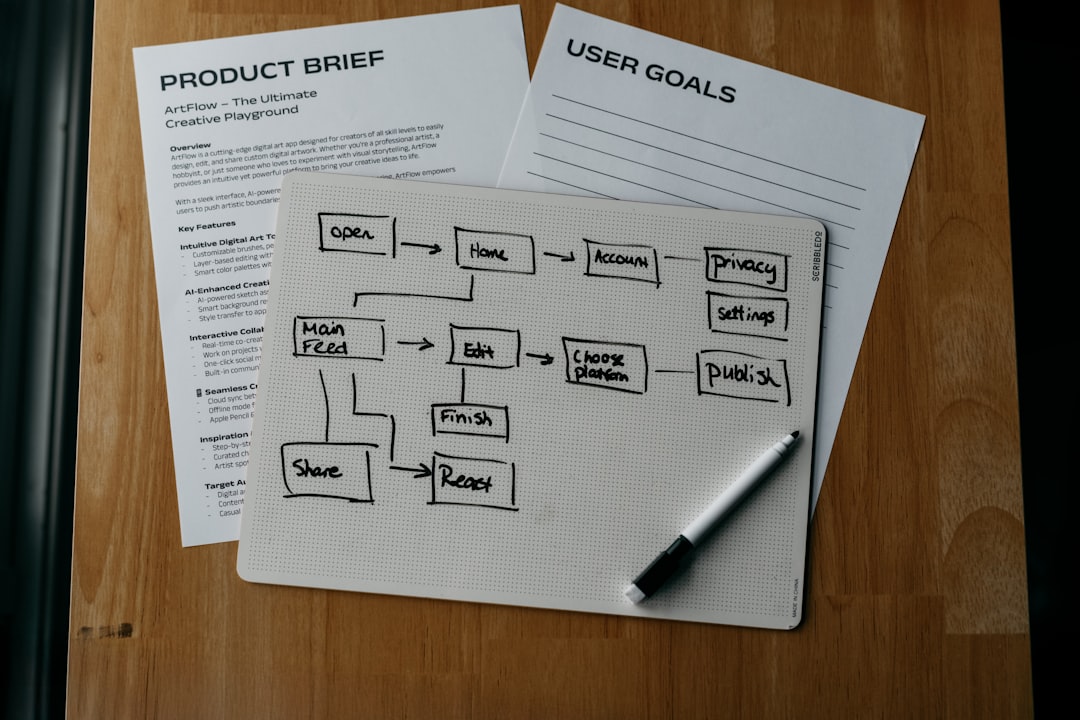
    [Brainstorm & Outline] ➔ [Batch Draft Content] ➔ [Edit & Format] ➔ [Schedule to Publish] 

    Leveraging Automation and CMS Scheduling

    You do not need to be online at the exact moment your post goes live. Modern content management systems allow you to schedule your content weeks, or even months, in advance.

    A clear workflow diagram illustrating the step-by-step process of content creation: Brainstorm & Outline, Batch Draft Content, Edit & Format, and Schedule to Publish.
    A clear workflow diagram illustrating the step-by-step process of content creation: Brainstorm & Outline, Batch Draft Content, Edit & Format, and Schedule to Publish.

    Photo by Kelly Sikkema on Unsplash

    Once your batched posts are edited and formatted, upload them to your blogging platform and set them to publish automatically at your chosen day and time. Services and tools available on platforms like wp-publisher.com make managing, optimizing, and deploying content incredibly straightforward, allowing you to focus your energy purely on writing.


    Overcoming Common Obstacles to Your Consistent Blogging Schedule

    Even with the best plans, life will occasionally get in the way. Preparing for these hurdles in advance ensures they do not derail your progress completely.

    • Handling Writer's Block: When you sit down to a blank page and do not know what to write, refer back to your pre-planned content calendar and outlines. Having a structured outline with defined subheadings makes drafting feel like filling in the blanks rather than creating something out of nothing.
    • Building a Content Buffer: Aim to have at least two to three posts completely written, formatted, and scheduled in advance. This content buffer acts as a safety net. If you get sick, go on vacation, or have a busy week at your day job, your blog will continue to run seamlessly on autopilot.
    • Simplifying Formatting with Templates: Save time by creating reusable templates for your blog posts. Having standard layouts for tutorials, list articles, and product reviews reduces decision fatigue and keeps your formatting consistent across the site. If you have technical questions about streamlining your site's publishing workflows, exploring a platform's frequently asked questions page can save you hours of trial and error.

    Staying Motivated and Managing Your Schedule as You Scale

    Maintaining a blog is a marathon, not a sprint. To stay motivated over the long haul, it helps to connect with other creators. Engaging with online blogging communities offers peer support, constructive feedback, and invaluable accountability. Sharing your goals with others makes you much more likely to follow through on them.

    Keep a simple progress log. Documenting how many articles you have published, watching your traffic grow, and tracking your search engine rankings provides tangible proof that your hard work is paying off.

    As your blog scales and starts generating revenue, consider transitioning from a solo operation to a collaborative one. You might choose to delegate tasks like graphic design, proofreading, or social media promotion to virtual assistants or freelance specialists, freeing up your time to focus strictly on content strategy and high-level writing.


    Keep Moving Forward

    Establishing a reliable publishing routine does not require you to sacrifice your evenings, weekends, or peace of mind. By setting a realistic publishing frequency, planning your topics in advance, batching your creative tasks, and scheduling your content ahead of time, you can easily balance a successful blog with a busy lifestyle.

    Choose a simple, achievable publishing goal for the upcoming month, outline your first few topics, and start building your momentum today. Consistency is cumulative—every single post you publish builds on the last, gradually paving the way to sustainable online growth.


  • The Ultimate Guide to Efficient Blog Post Research Methods

    The Ultimate Guide to Efficient Blog Post Research Methods

    The Ultimate Guide to Efficient Blog Post Research Methods

    We have all been there: you sit down to write a comprehensive blog post, and within fifteen minutes, your browser is a crowded maze of ten, twenty, or even thirty open tabs. You have academic PDFs, industry reports, competitor articles, and statistical databases all vying for your attention. This phenomenon, often called "tab chaos," quickly leads to cognitive overload and decision paralysis.

    While some niche bloggers report spending up to eight hours researching a single, highly technical blog post, this massive time investment is rarely sustainable or necessary. On the other end of the spectrum, lifestyle, food, and travel writers often eschew heavy desk research entirely, relying on intuition, personal experience, and rapid trend checks to produce highly engaging content.

    The secret to scaling your content production without sacrificing quality lies in developing a structured, time-efficient research workflow. By transforming how you find, evaluate, and organize information, you can slash your preparation time in half and write more authoritative articles.


    Diagnosing "Tab Chaos" and Research Fatigue

    The primary reason blog research takes so long is that most writers research and write simultaneously. When you search for information as you write, you constantly interrupt your creative flow to verify facts, look up definitions, or find supporting statistics.

    This approach leads to several major productivity bottlenecks:

    • Cognitive Overload: Managing 10 to 20 open tabs forces your brain to constantly switch contexts, draining your mental energy before you even write your first paragraph.
    • Person
      Person
    • Information Hoarding: Out of fear of missing a crucial detail, writers often bookmark dozens of pages they will never actually read, stalling progress.
    • Lack of Direction: Without a clear plan, searching the web becomes an aimless journey down endless rabbit holes, turning a quick search into a multi-hour distraction.

    To write efficiently, you must treat research and writing as two entirely separate phases. Once you separate information gathering from content creation, you can streamline your process using a professional publishing workflow. For creators looking to manage their production pipeline seamlessly, utilizing a platform like wp-publisher.com can help bridge the gap between organized research and final publication.

    Workspace clearly divided into a
    Workspace clearly divided into a

    Phase 1: Establish Your Direction Before You Search

    The most efficient way to research is to know exactly what you are looking for before you open a single browser tab. Instead of letting Google dictate the structure of your article, you should establish a clear direction based on your target audience's needs.

    Identify the Core Search Intent

    Before conducting any external research, ask yourself what specific problem your reader is trying to solve. Are they looking for a quick tutorial, a deep-dive conceptual explanation, or practical tips? Aligning your content with this single intent ensures you only collect information that directly serves your reader, allowing you to ignore irrelevant background data.

    Map Out a Preliminary Structure

    Before searching the web, jot down a rough outline of the headings you expect to cover based on your existing knowledge. This preliminary outline acts as your research compass. If you know you need a statistic to support Section A and a real-world example to illustrate Section B, you can search for those specific elements directly, ignoring the temptation to read entire articles from start to finish.

    Using a structured system like the WP Publisher App allows you to organize these initial content ideas and structural headers in a clean, distraction-free environment before you start gathering your sources.


    Phase 2: Targeted Information Gathering

    Once you have your preliminary structure, you can begin gathering your source material. The goal here is speed and precision, keeping your browser clean and your focus sharp.

    Practice Skimming over Reading

    When you open a potential source, do not read it word-for-word. Instead, skim the text by looking at:

    Eye quickly scanning a digital document, highlighting headings and bolded terms.
    Eye quickly scanning a digital document, highlighting headings and bolded terms.
    1. Headings and Subheadings: These tell you if the article covers the specific points in your outline.
    2. Bolded Terms and Bullet Points: Authors highlight their most important takeaways here.
    3. Introductions and Conclusions: These sections usually summarize the main arguments, saving you from reading the entire body copy if the source is not a perfect fit.

    Keep a Low Tab Profile

    To maintain mental clarity, try to keep your active browser tabs to a minimum. Only keep tabs open if you are actively extracting information from them. The moment you find the statistic, quote, or fact you need, copy it into your research document along with the source URL, and close the tab immediately. This prevent "tab hoarding" and keeps your desktop organized.


    Phase 3: Synthesizing and Organizing Your Research

    Once you have collected your raw data, statistics, and expert quotes, you must synthesize this information into a cohesive outline.

    Scattered research notes, links, and data being organized into a cohesive structure.
    Scattered research notes, links, and data being organized into a cohesive structure.

    Centralize Your Notes

    Never leave your research scattered across bookmarks or open browser windows. Instead, paste all your notes, links, and thoughts into a single master document. Group your findings under the specific headings you planned during Phase 1. This turns the drafting process into a simple "fill-in-the-blank" exercise. You can read more About how modern digital publishers structure their content pipelines to maintain efficiency and consistency across multiple articles.

    Handle Contradictory Claims Transparently

    It is common to find conflicting statistics or opposing viewpoints during your research. Rather than ignoring these contradictions or spending hours trying to prove which one is universally correct, address them openly in your post.

    If two reputable industry studies offer differing statistics, briefly present both perspectives and link directly to the source with the stronger methodology. This transparency not only saves you research time but also builds trust with your readers by demonstrating that you have thoroughly evaluated the topic.


    Niche Adaptations: Tailoring Your Research Workflow

    Research requirements vary wildly depending on your blog's industry. Tailoring your depth of research to your specific niche is key to maintaining a highly productive schedule.

    Experiential and Creative Blogs

    For lifestyle, travel, fashion, or food blogs, intensive external research is rarely necessary and can actually dilute your unique voice. Readers visit these blogs for personal experiences, unique recipes, and practical advice. For these niches, limit your research to quick keyword checks to see what terms your audience uses, and focus the rest of your energy on original photography, personal storytelling, and clear, step-by-step instructions.

    Technical and Highly Regulated Blogs

    If you write about finance, medicine, psychology, or software engineering, your research must be rigorous and accurate. However, you can still remain highly efficient by focusing primarily on primary sources, such as peer-reviewed journals, official government databases, and whitepapers. Avoid relying on third-party blog summaries, which often misinterpret data and force you to spend extra time double-checking their work. Go straight to the source, copy the core data, and translate it into clear terms for your readers.


    Transitioning from Research to Writing

    The final step in an efficient research methodology is knowing when to stop. Research is a form of productive procrastination; it is easy to convince yourself that you need "just one more source" before you can start writing.

    Person closing browser tabs, preparing to start writing in a new document.
    Person closing browser tabs, preparing to start writing in a new document.

    Set a firm time limit for your research phase. Once your time is up, close your browser entirely, open your master document containing your organized notes, and begin writing. By drafting your post using only your compiled notes rather than constantly toggling back to active web pages, you will write faster, maintain a consistent voice, and avoid accidental plagiarism.